Description
Impact on Perceptions, Learning, and Creative Processes
Perceptions
Hong Kong (Mong Kok):
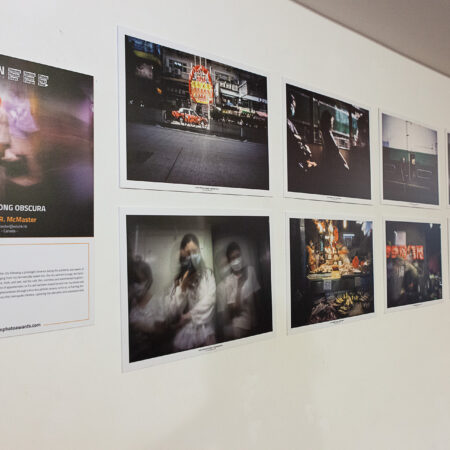
Students reported varying degrees of perception change (ratings of 2–5). Those less familiar with Mong Kok experienced significant shifts, viewing it beyond a commercial hub as a vibrant, culturally rich space of everyday life. For example, one student noted, “Mong Kok is a hub of food culture,” appreciating its sensory richness through smells and sounds.
Familiar students noticed overlooked details, like architectural lines or arcade sounds, reinforcing or subtly altering their understanding.
Korea (Seomyeon):
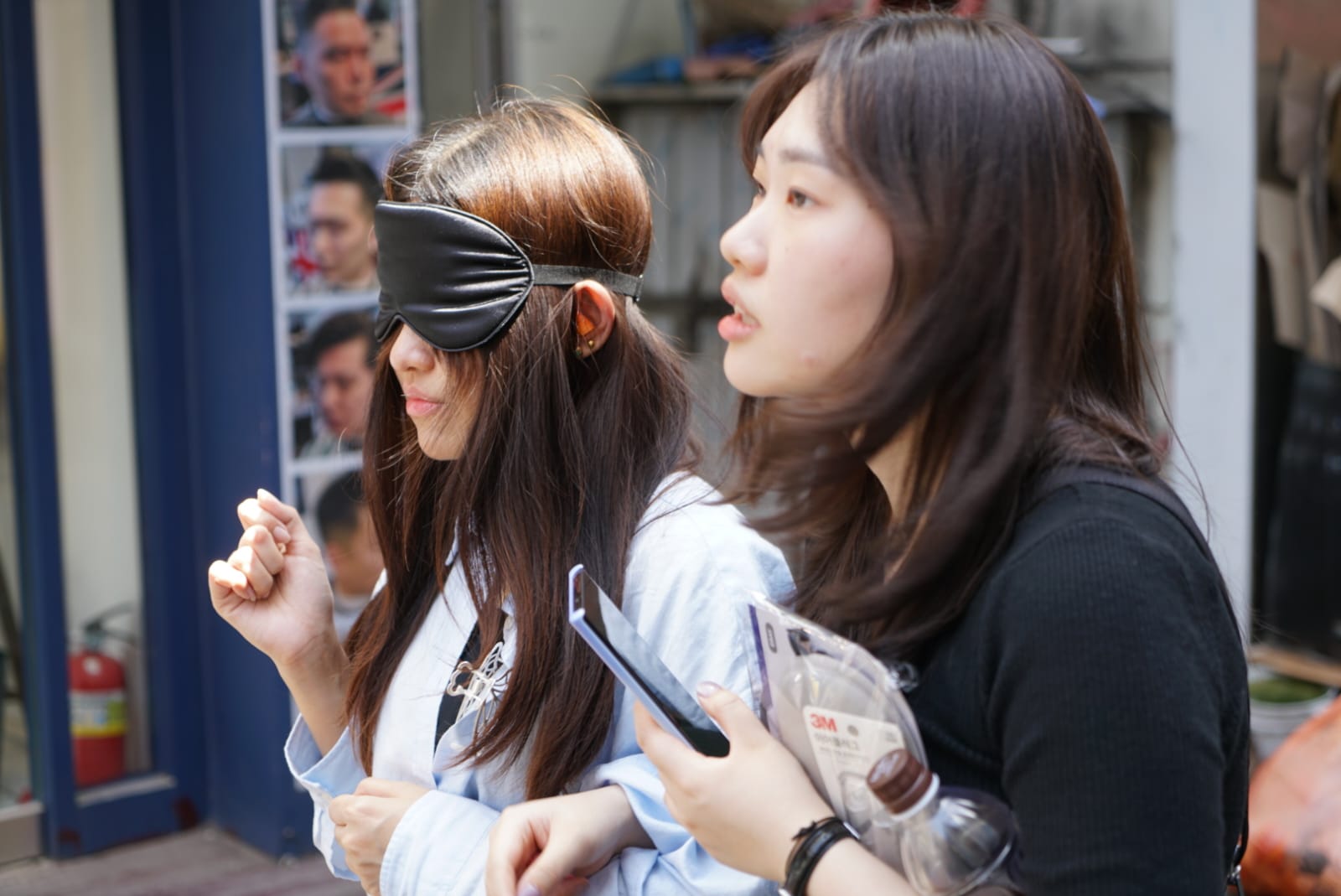
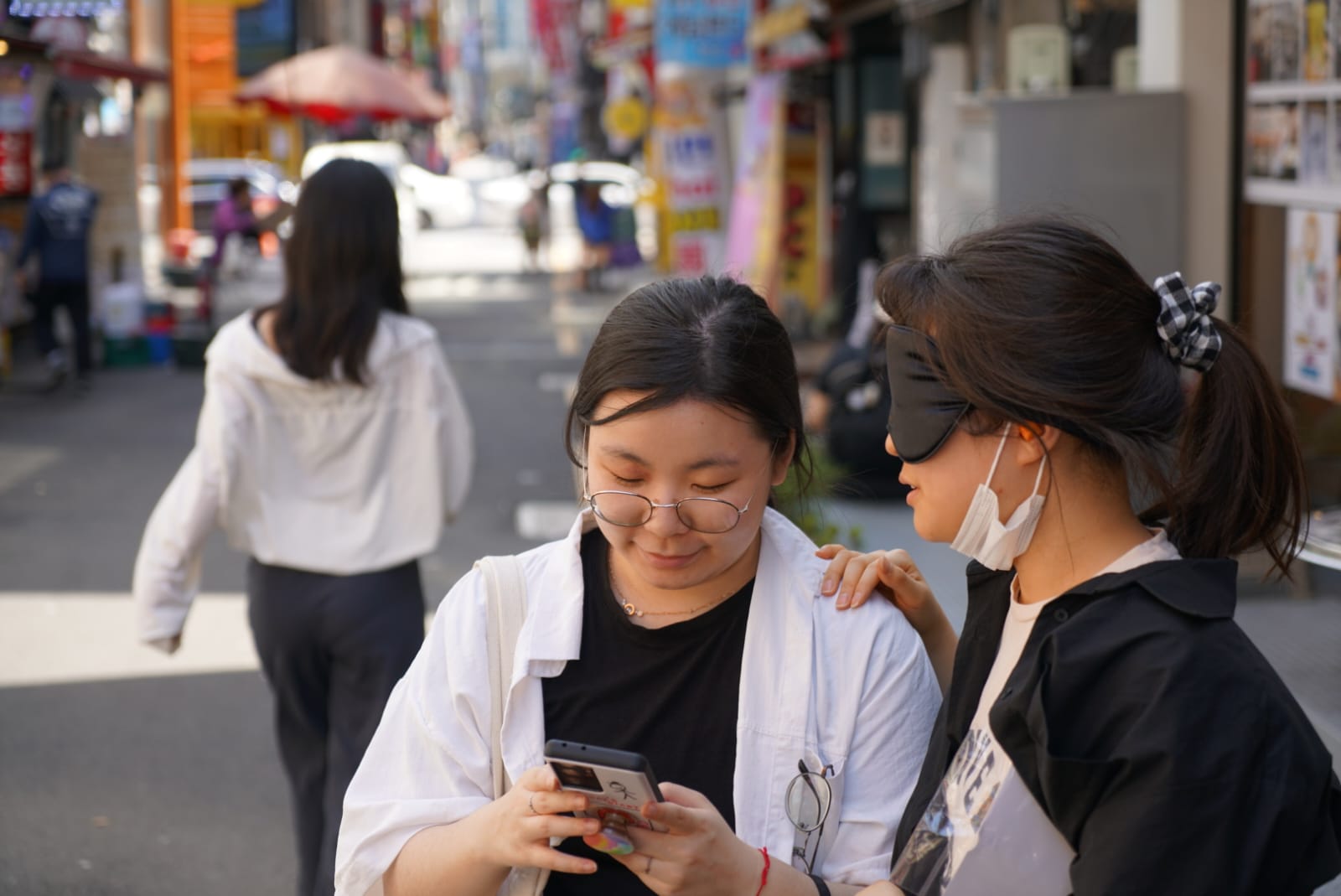
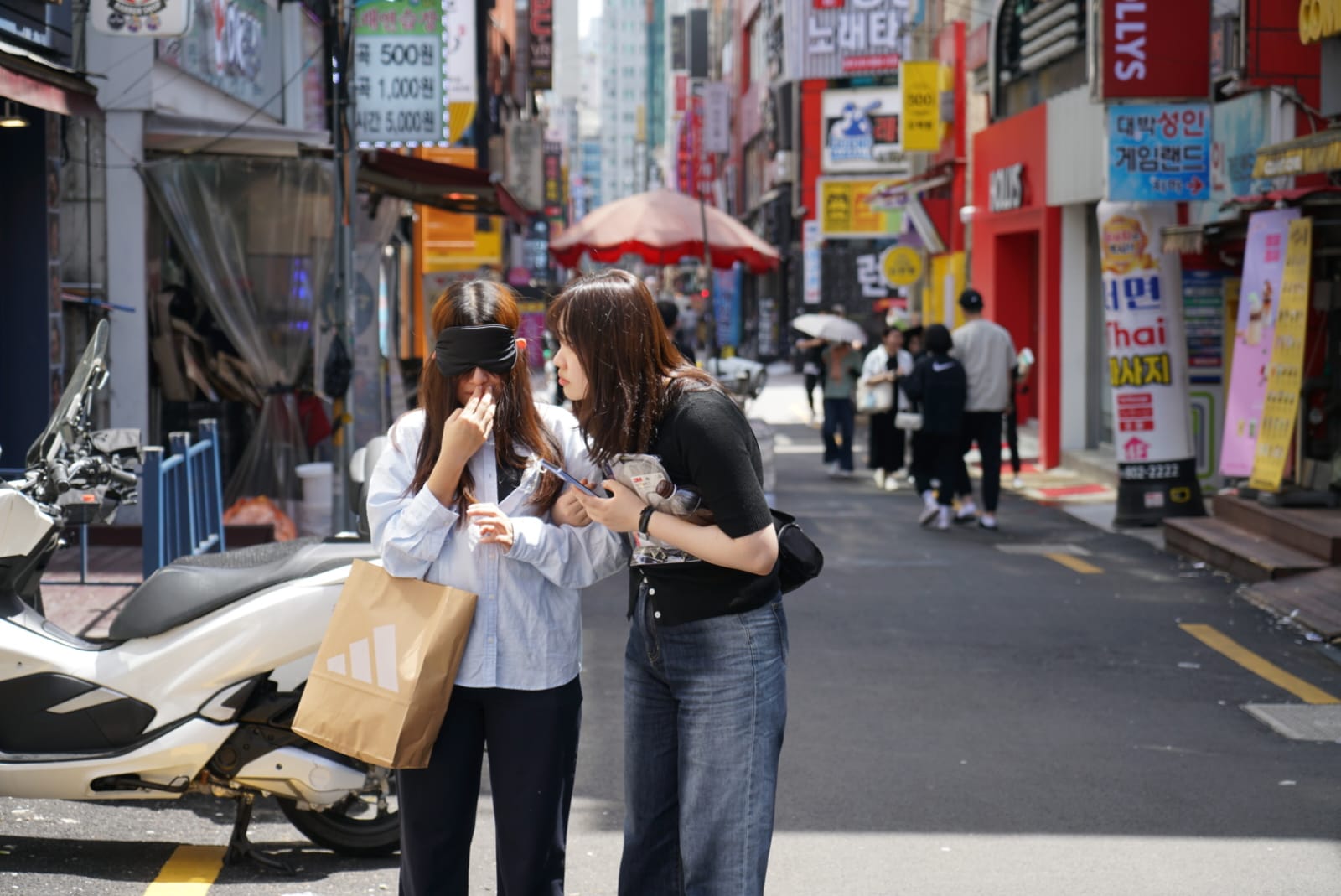
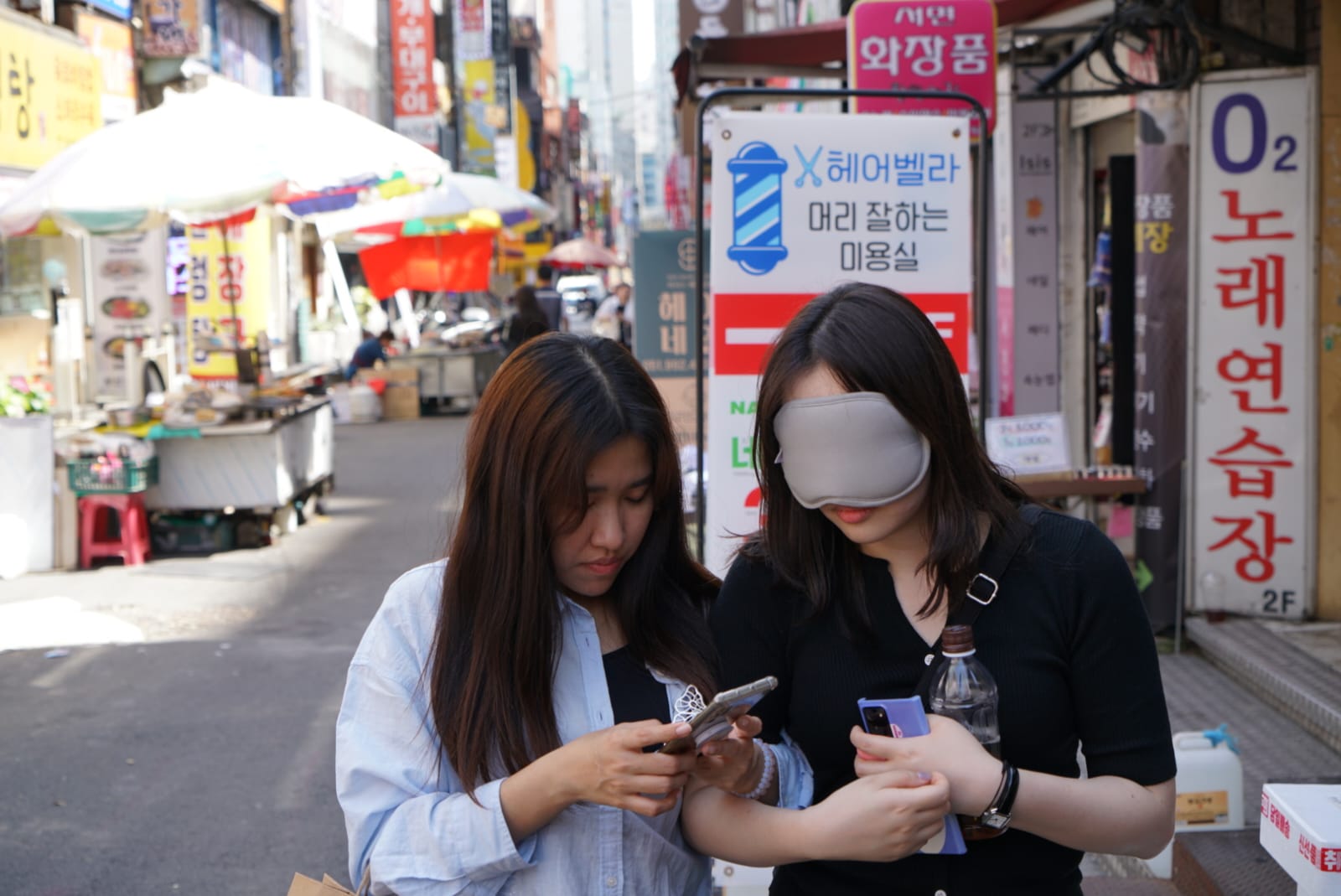
Most students rated perception change highly (4–5), discovering Seomyeon’s traditional markets and lively atmosphere beyond its trendy reputation. One student remarked, “I realized it’s a warm, friendly neighborhood,” highlighting a shift from seeing it as merely an entertainment district.
Sensory isolation amplified awareness of details like market sounds and food smells, reshaping their sense of place.
Comparison:
Both groups experienced deepened perceptions, but Korea’s structured approach with sensory isolation led to more pronounced awareness of non-visual senses (e.g., touch, smell). Hong Kong’s free-form exploration allowed for diverse, individual discoveries, reflecting its chaotic urban energy.
Learning
Hong Kong:
Students gained experiential learning through sensory engagement, enhancing research methodologies. One noted, “It’s important to develop ideas by feeling and experiencing through senses, not just thinking,” emphasizing the value of in-situ, multisensory approaches over traditional text-based methods.
Skills like observational analysis and creative communication (e.g., describing sensory experiences) were highlighted as key takeaways.
Korea:
The guided walk and sensory isolation provided a structured learning experience, linking sensory theory to practice. Students reflected on how senses shape spatial awareness, with one stating, “I learned that independent senses can bring out hidden human memories.”
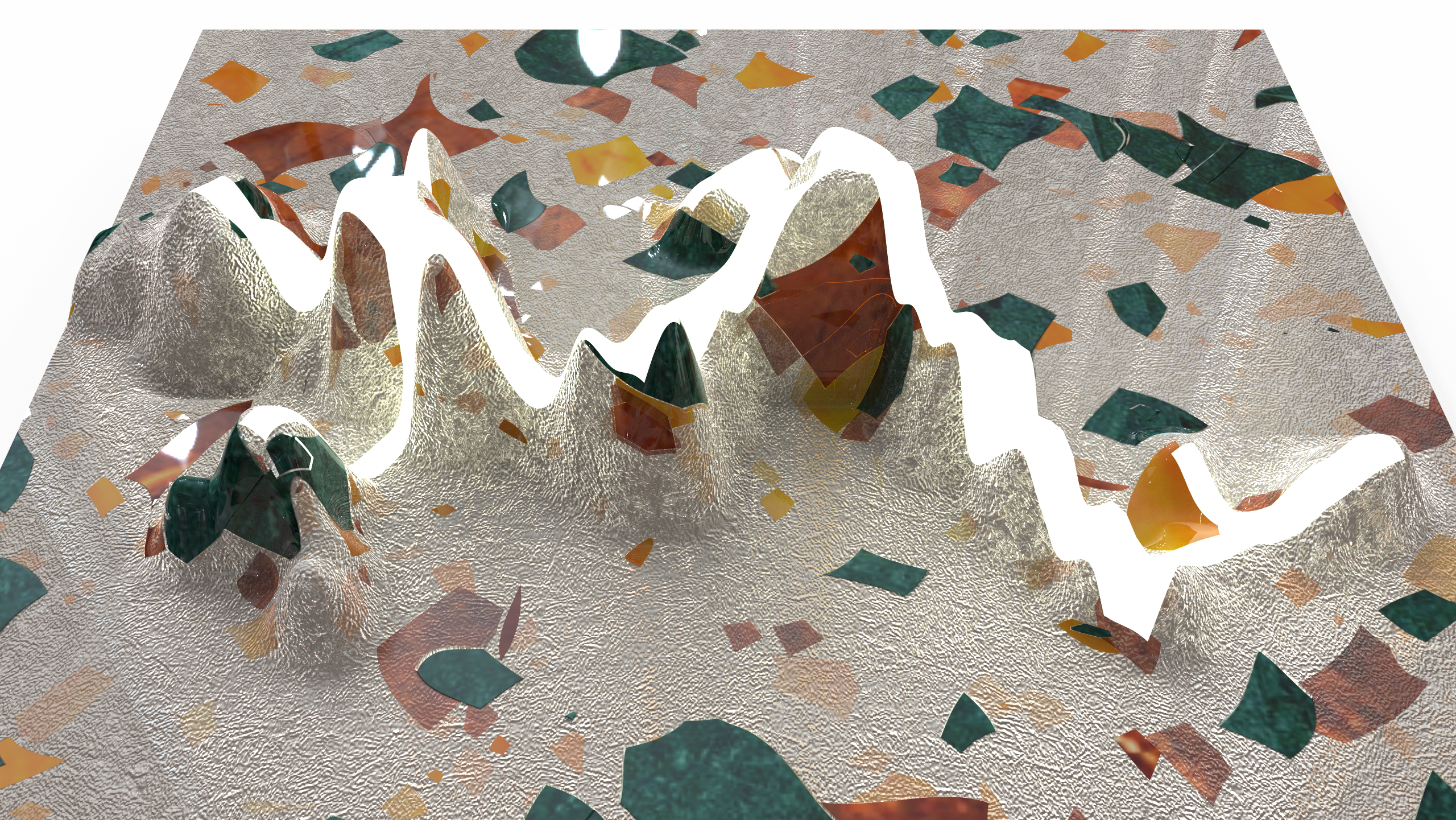
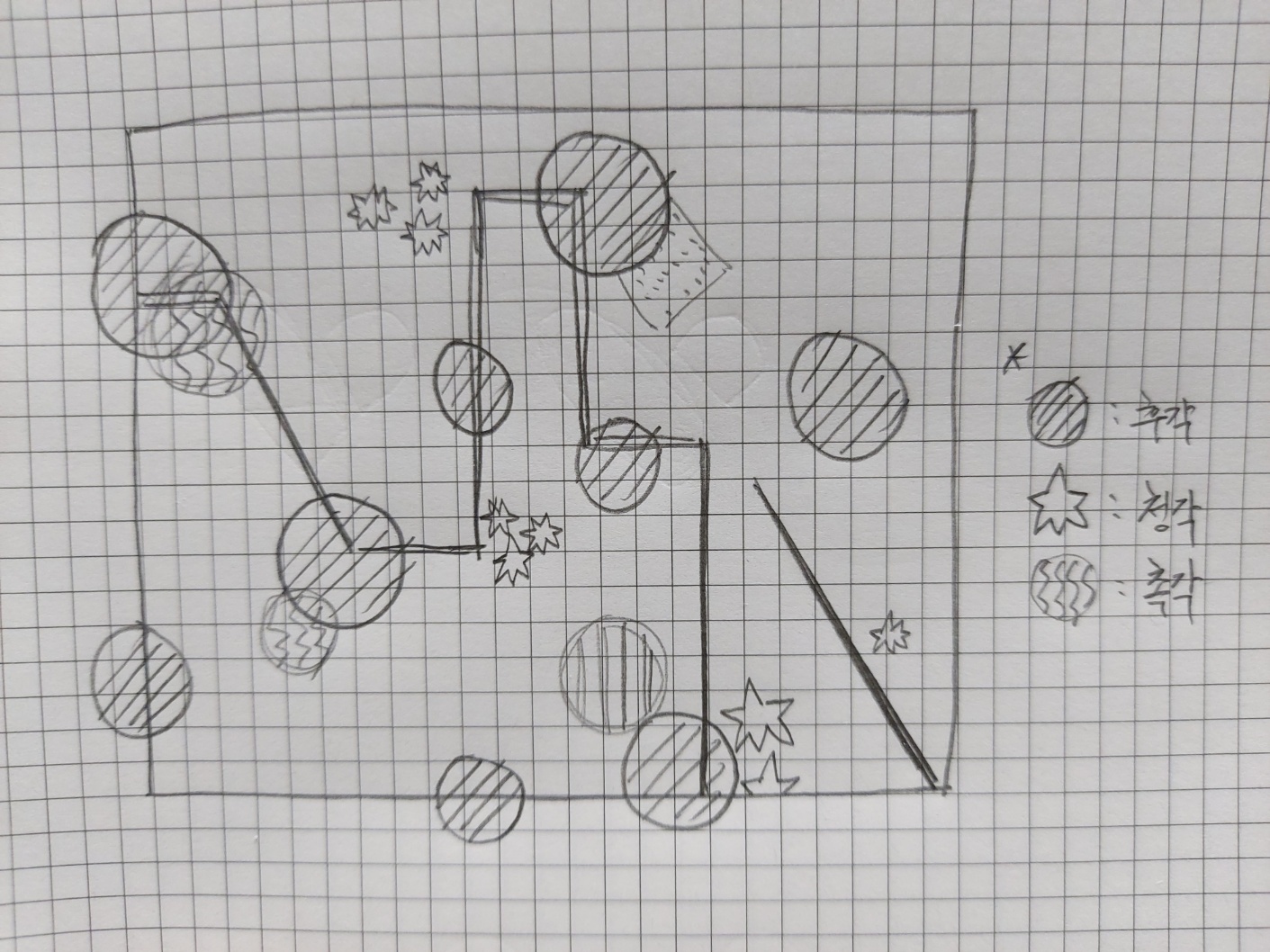
The creation of sensory maps post-activity reinforced learning by translating sensory data into visual art.
Comparison:
Hong Kong emphasized autonomous exploration and creative expression, while Korea’s structured design fostered deeper analytical connections between sensory input and spatial perception. Both enhanced learning beyond conventional methods.
Creative Processes
Hong Kong:
Sensory experiences inspired design ideas, such as projects capturing Mong Kok’s sights, sounds, and smells. One student proposed an immersive installation replicating the area’s sensory identity, reflecting its cultural blend.
The activity encouraged multisensory design thinking, with students noting its influence on observing from new perspectives.
Korea:
Students drew creative inspiration from specific senses (e.g., touch evoking textures, smells triggering shapes). One remarked, “Sweet smells made me think of smooth circles,” integrating sensory input into design concepts.
The process evolved to prioritize user experience and sensory memory, with applications in product design and education.
Comparison:
Korea’s responses showed stronger ties to sensory isolation influencing design (e.g., touch-focused projects), while Hong Kong’s inspiration leaned toward holistic sensory capture (e.g., sound and sight). Both groups saw sensory exploration as a catalyst for innovative thinking.