Description
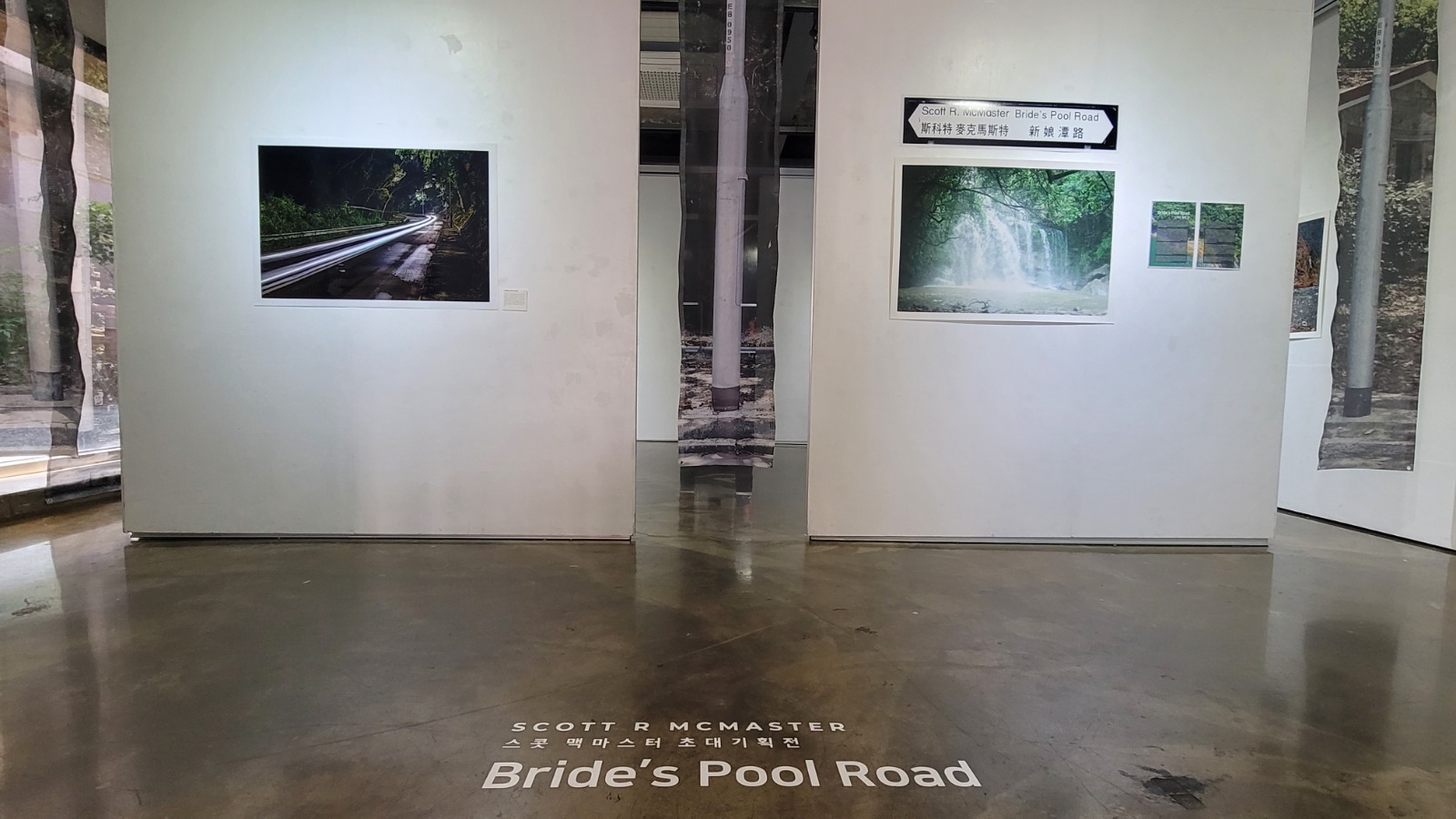
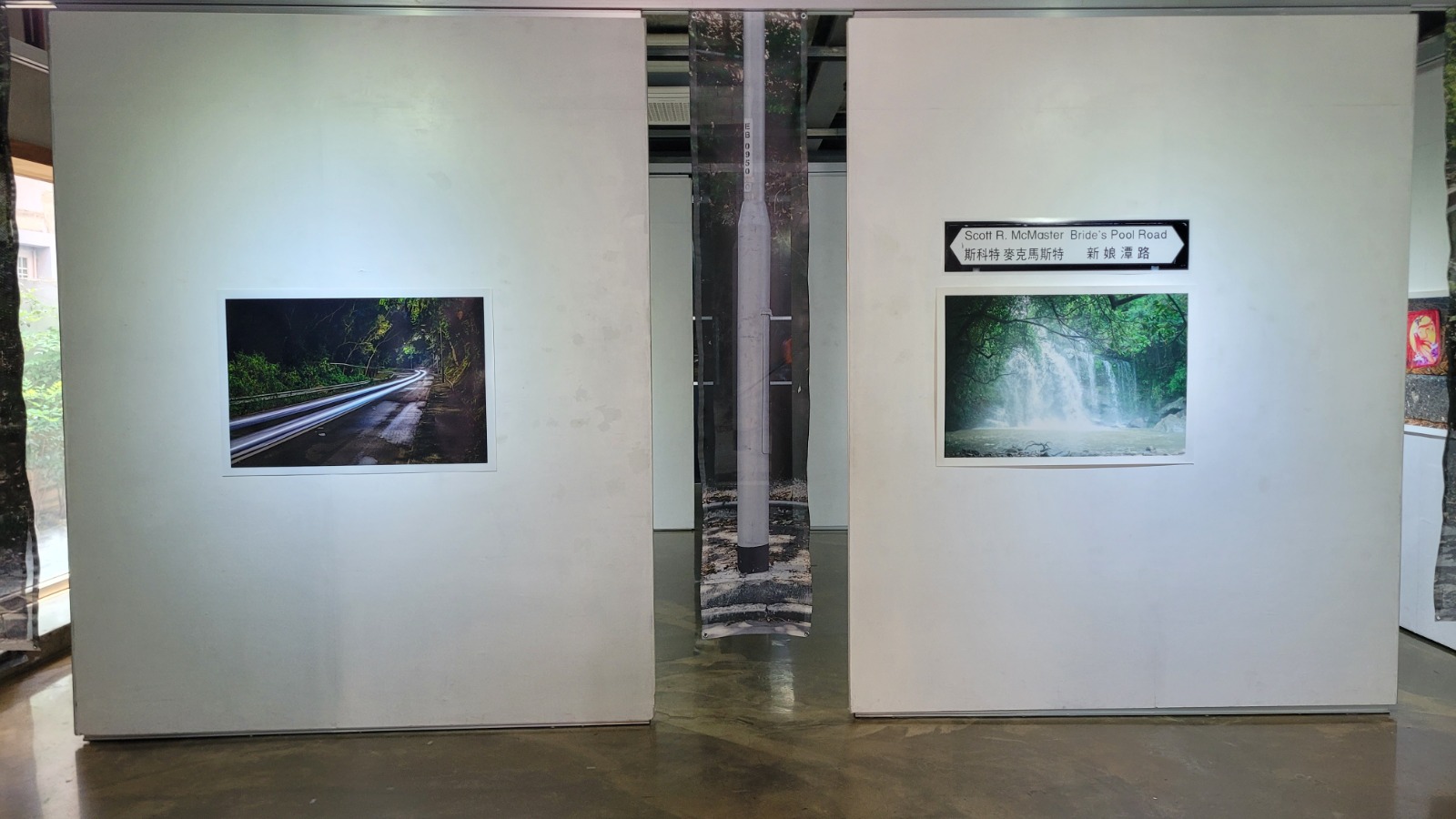
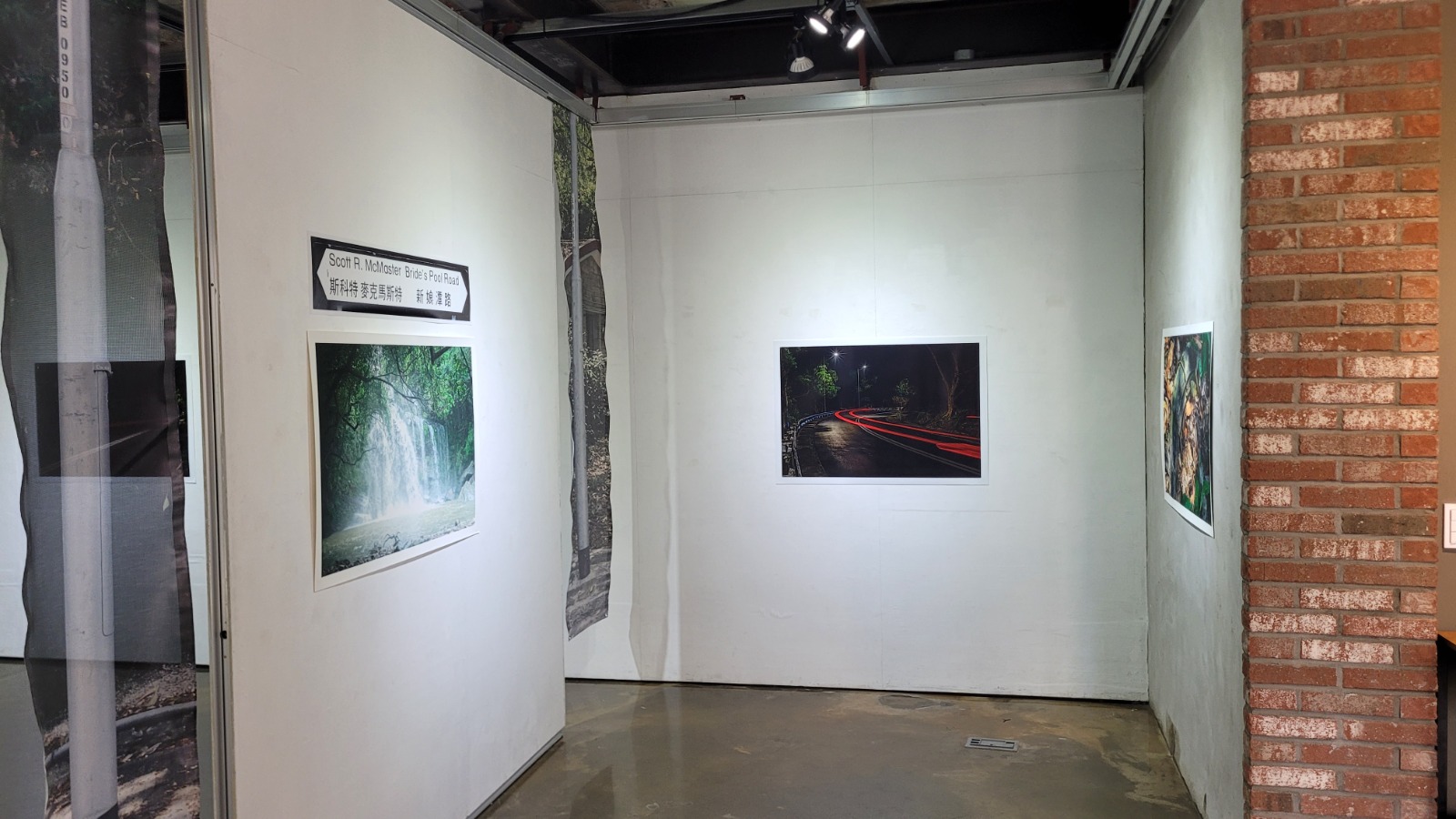
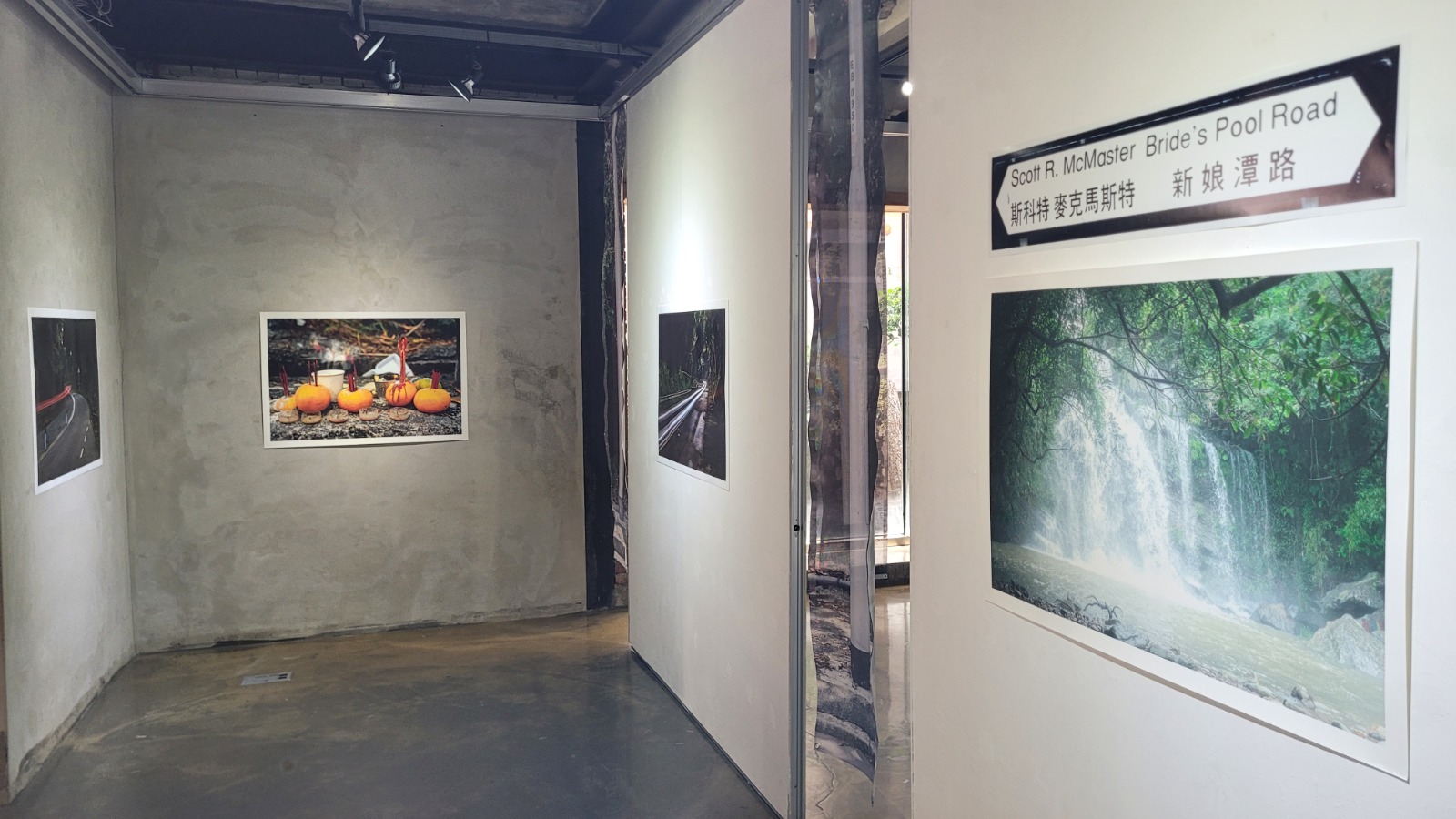
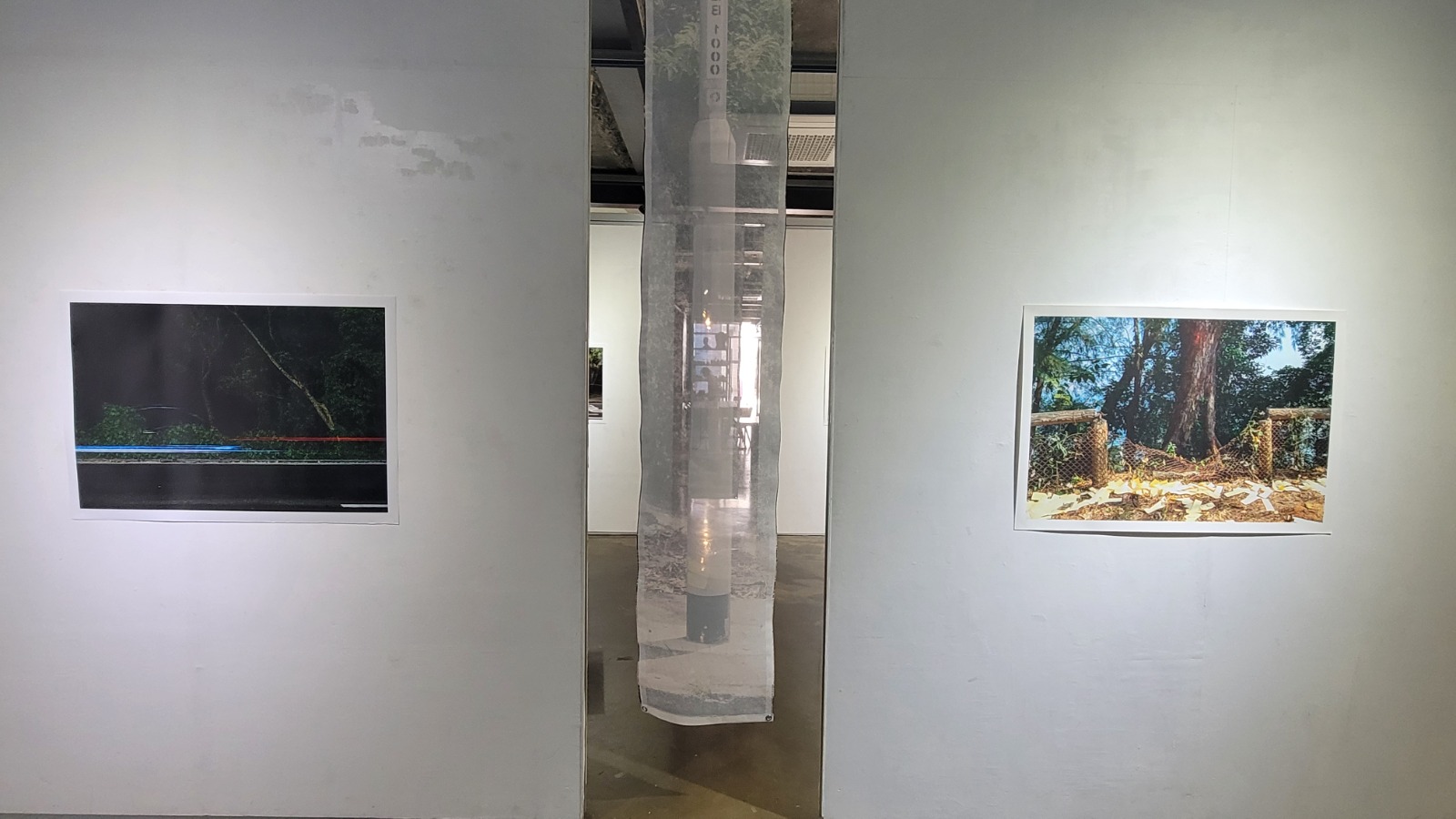
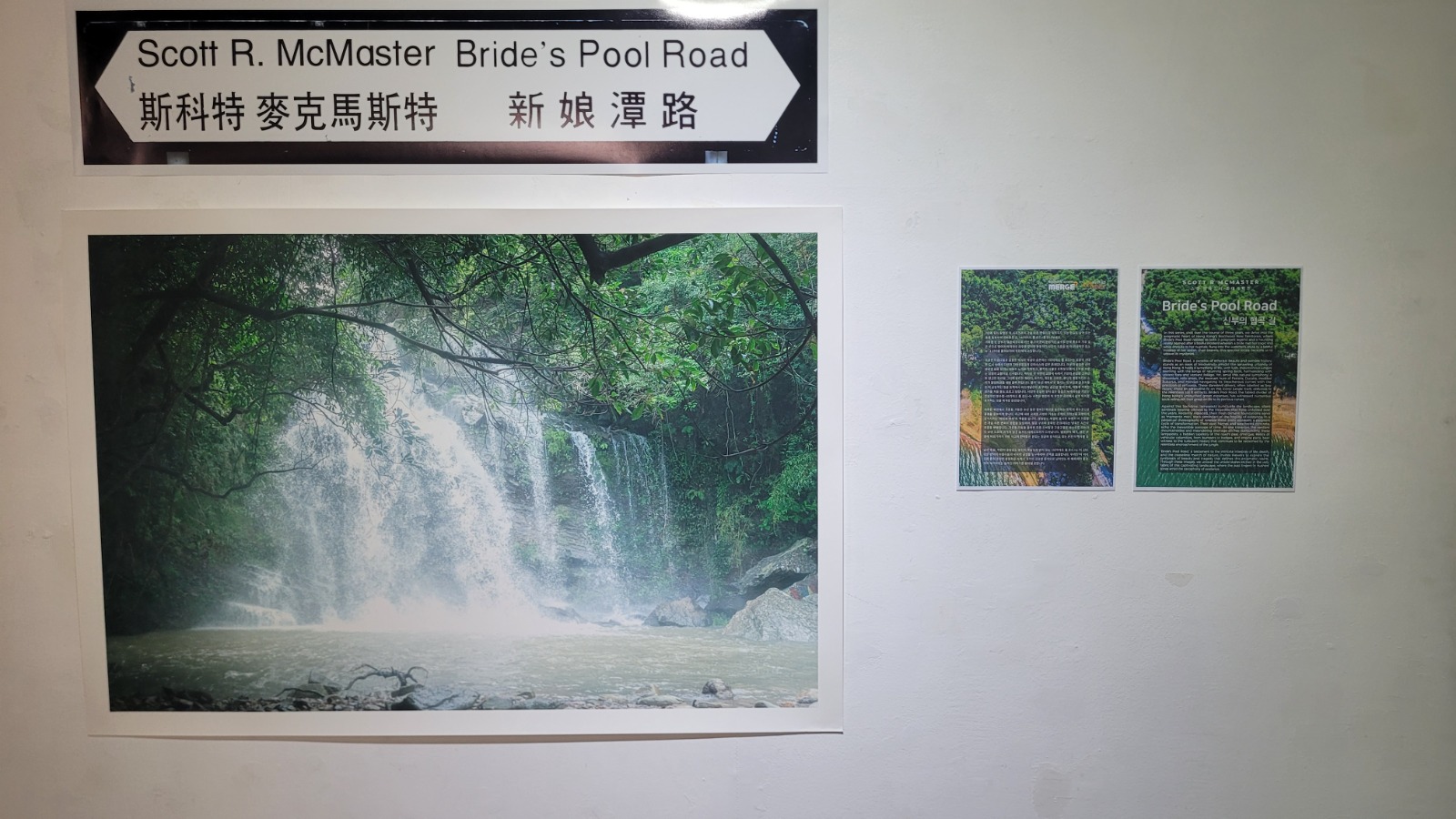
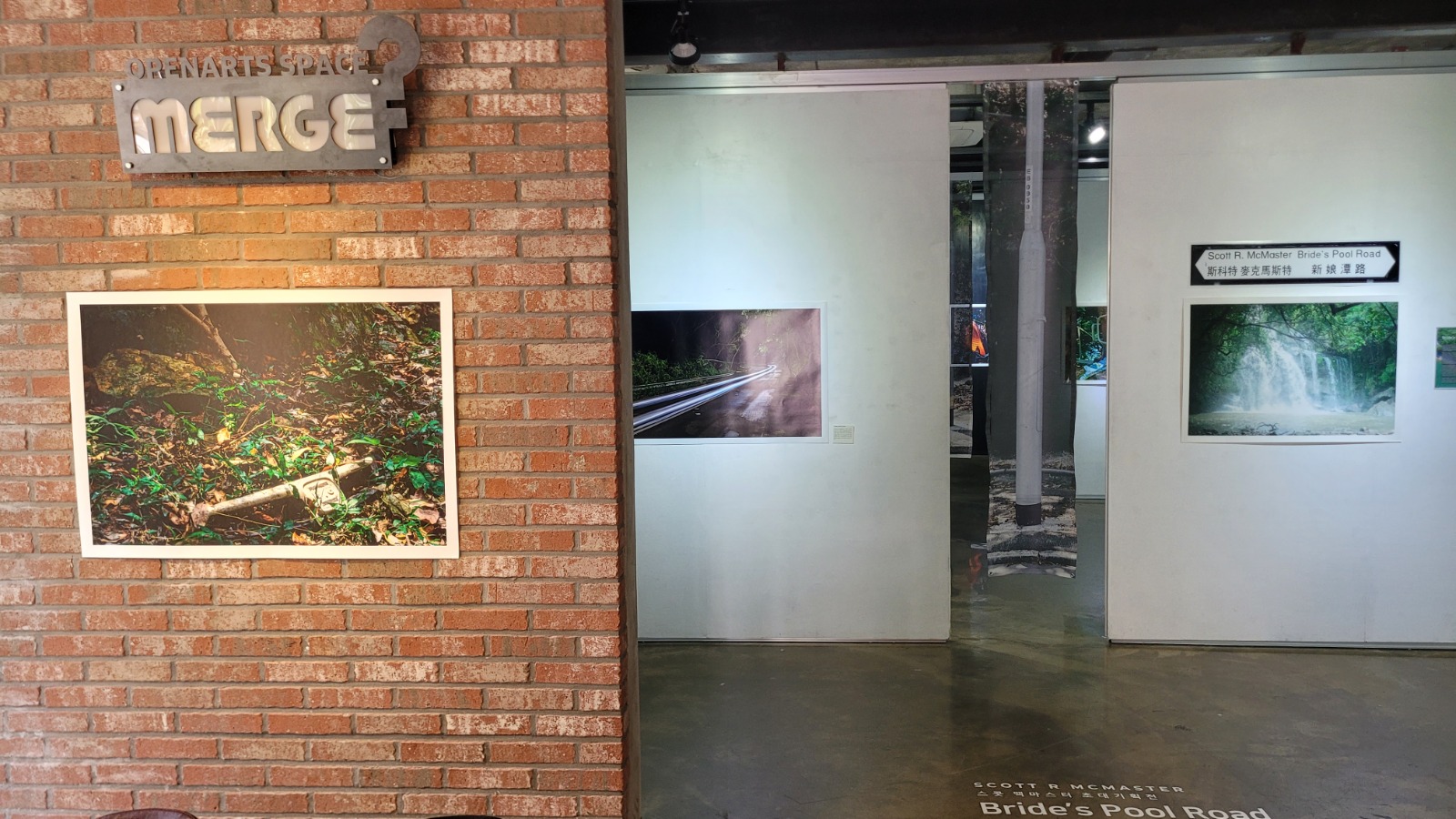
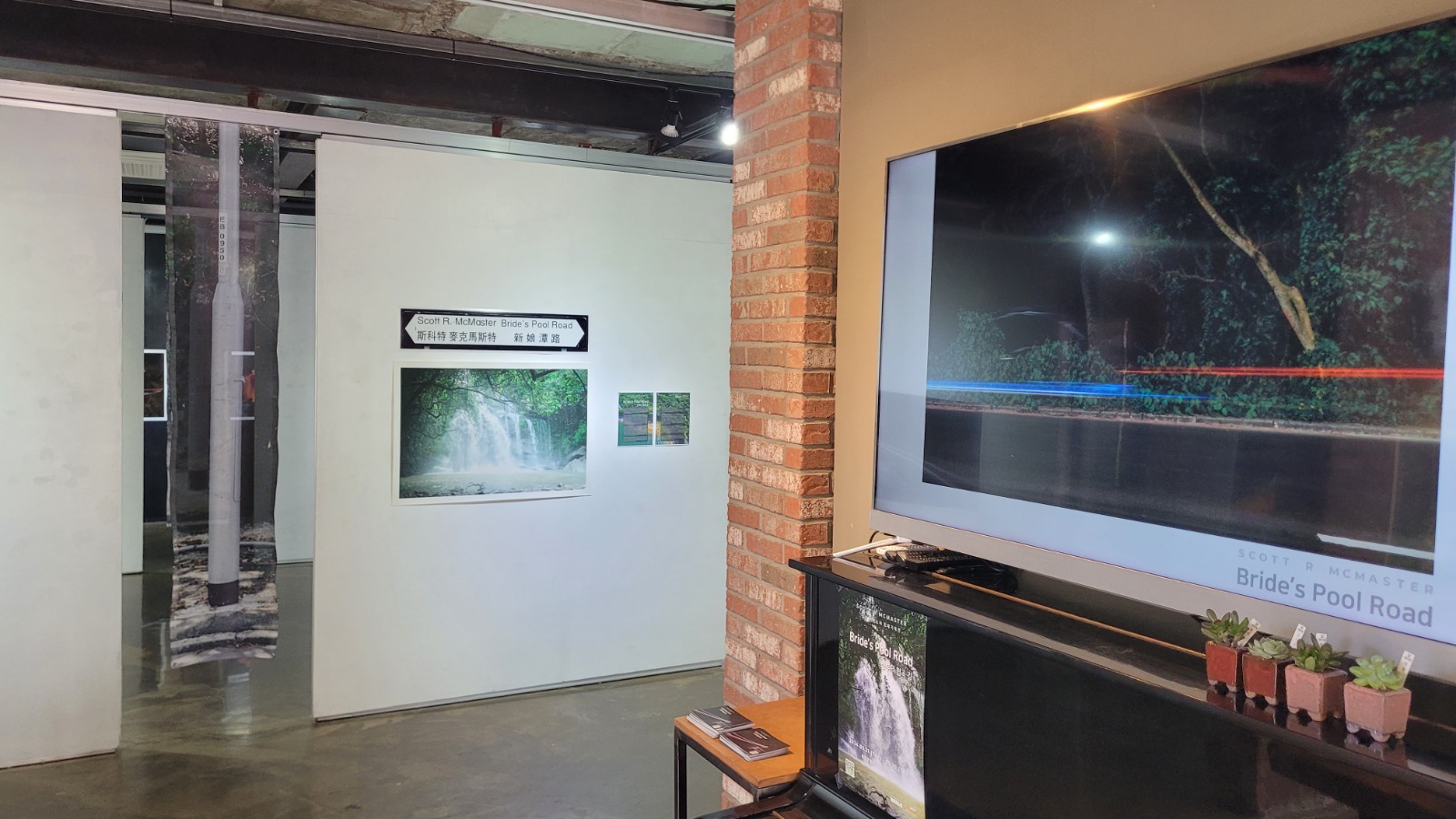
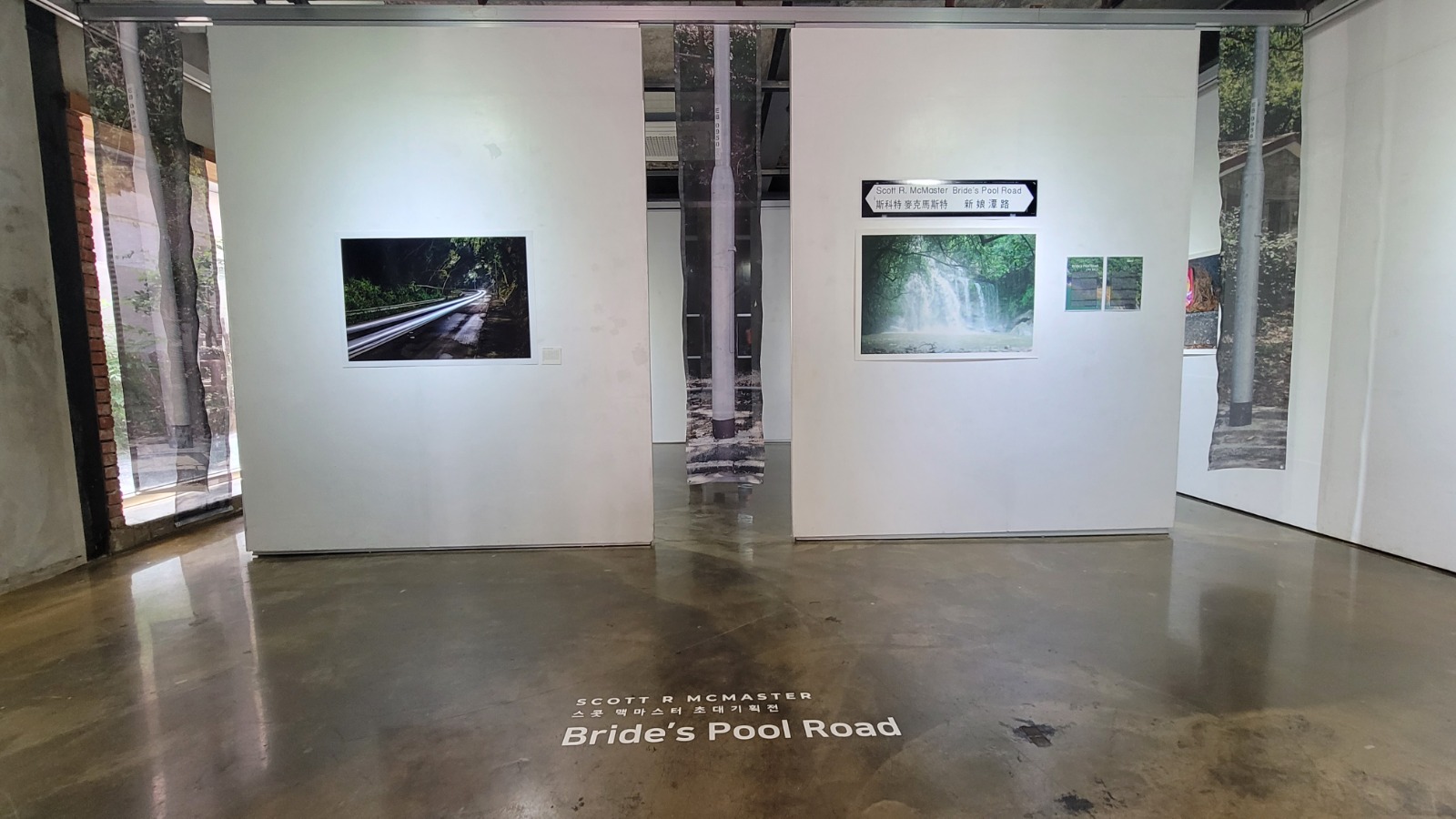
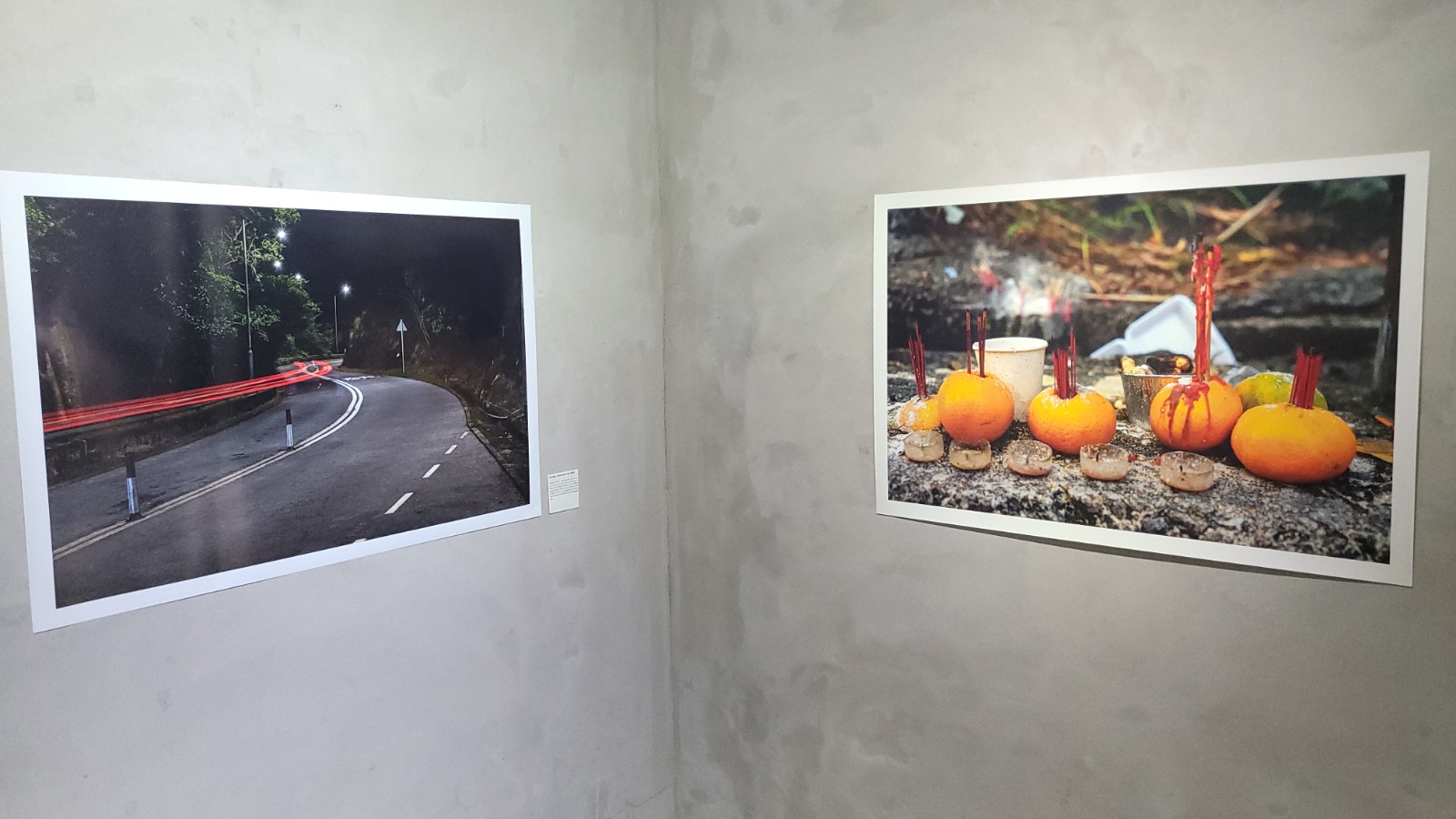
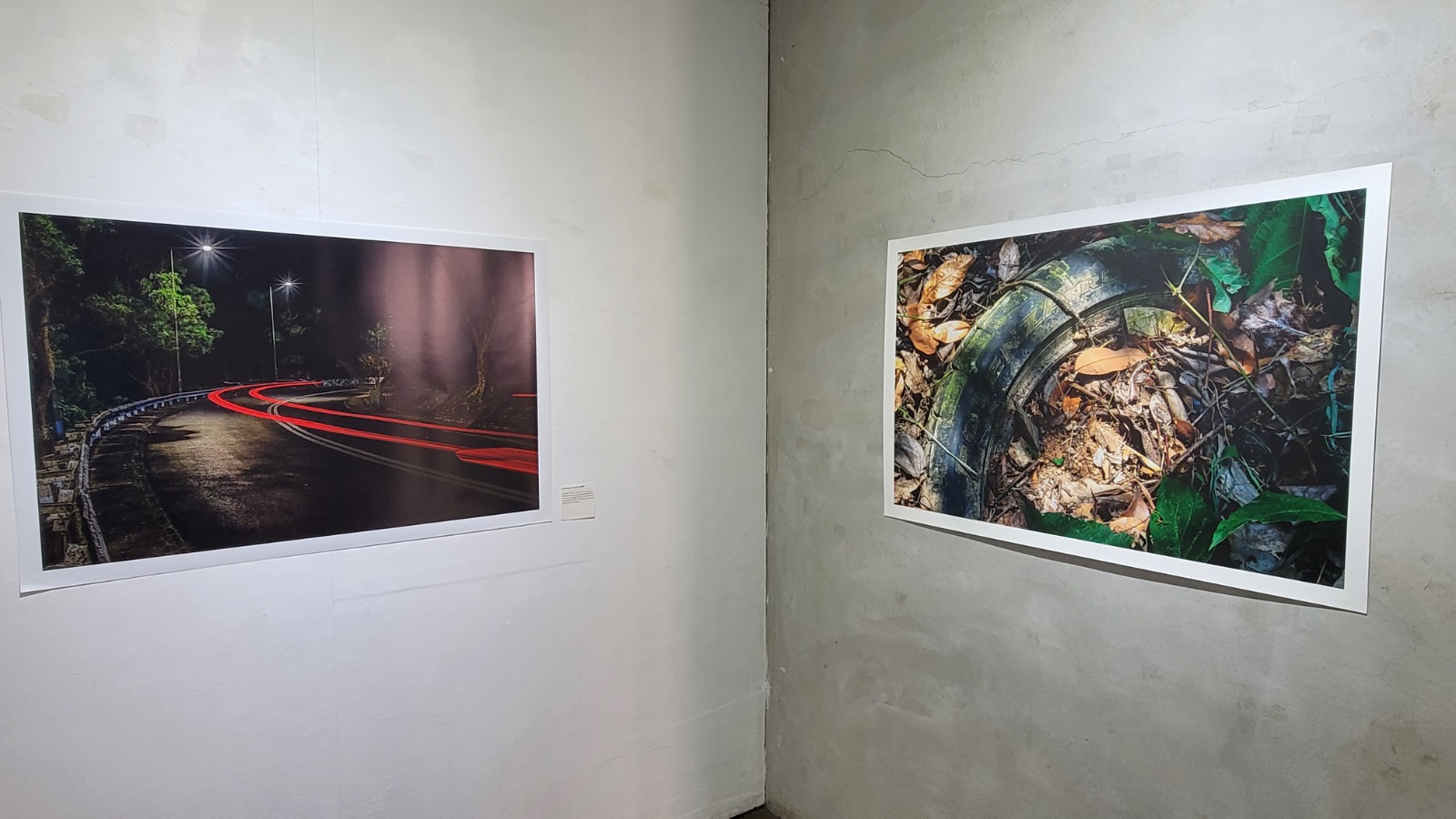
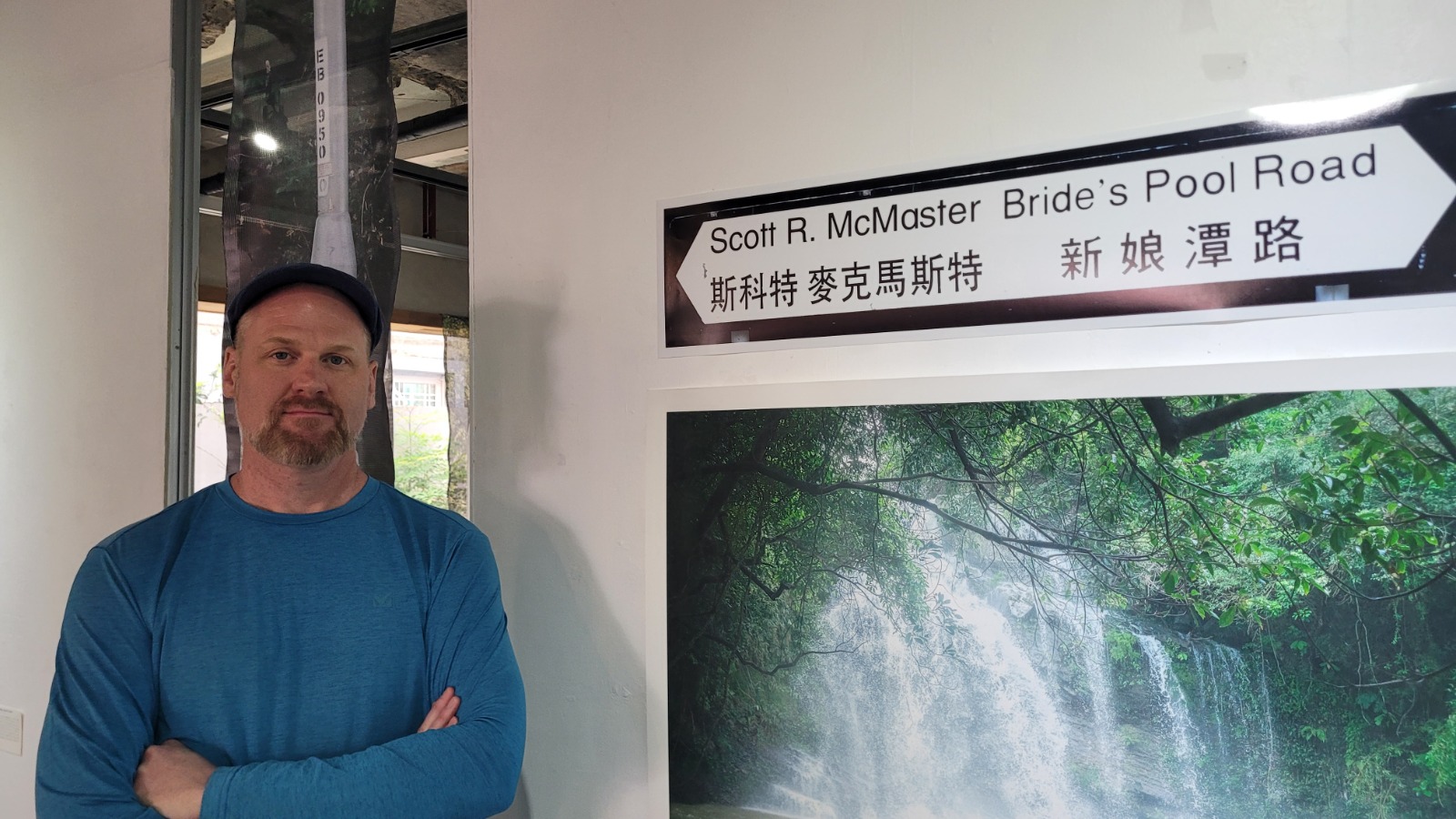
In the contemporary landscape, sudden trauma leaves no permanent monument; instead, it exists as an invisible history absorbed by the terrain. This project maps the tragic legacy of Hong Kong’s Bride’s Pool Road, a site defined by a high concentration of fatal vehicular accidents, through a series of photographic triptychs that function as non-linear timelines of loss. The work deliberately exploits a sharp psychological juxtaposition: the deceptive, idyllic beauty of a public nature reserve versus the silent, invisible carnage hidden just beyond its manicured paths. While visitors picnic and hike oblivious to the history beneath their feet, the surrounding jungle slowly swallows the physical evidence of human tragedy.
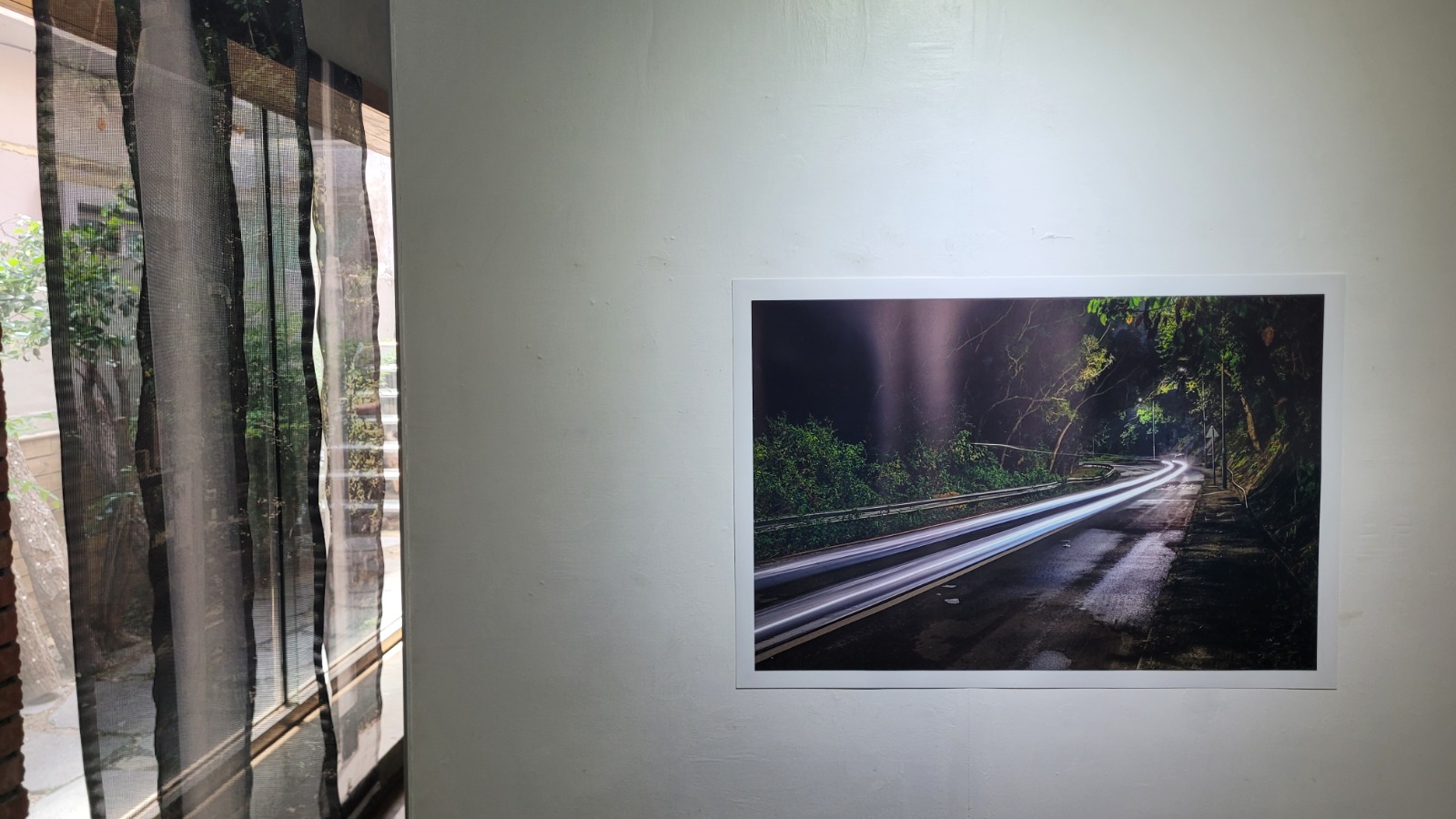
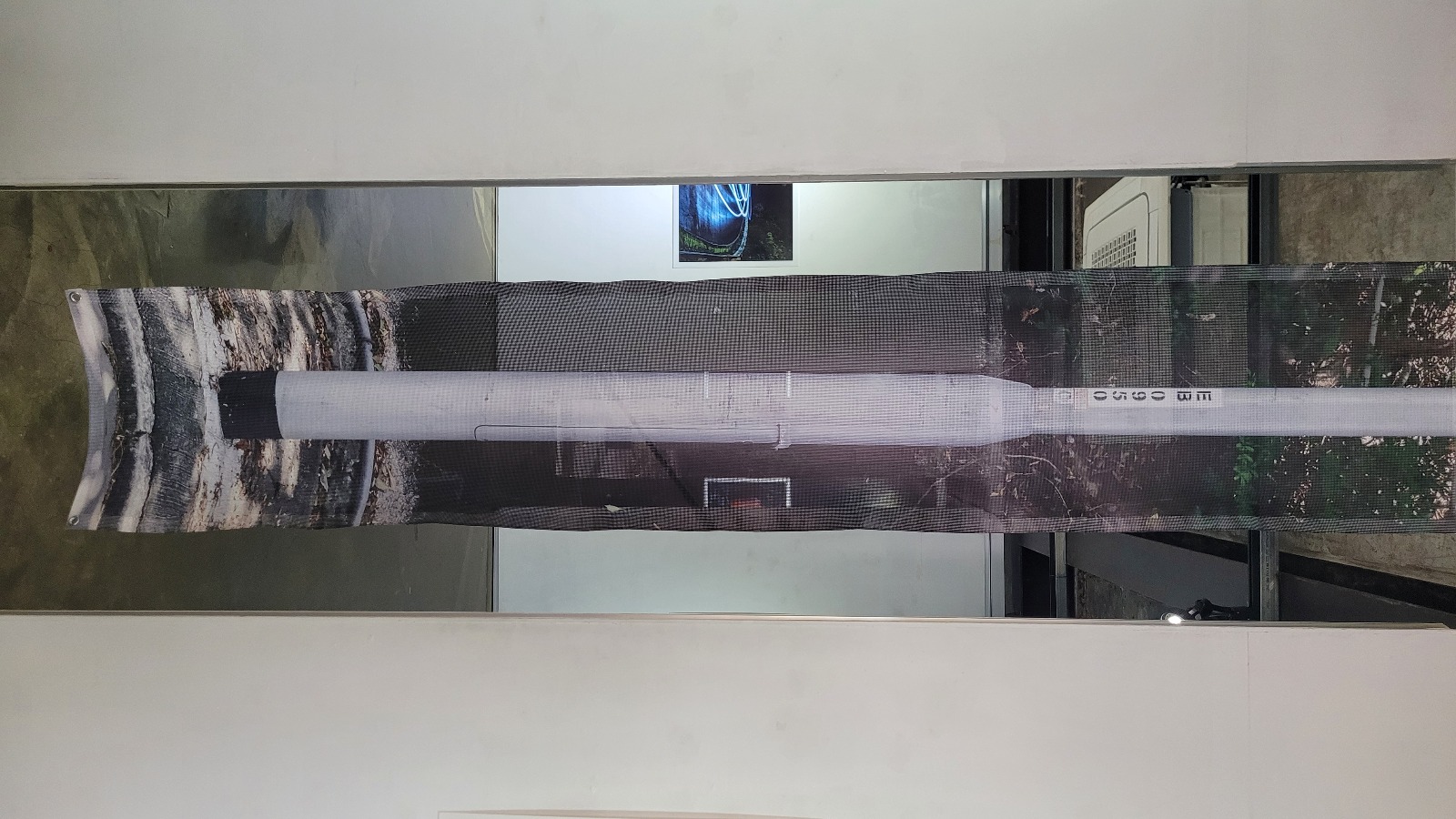
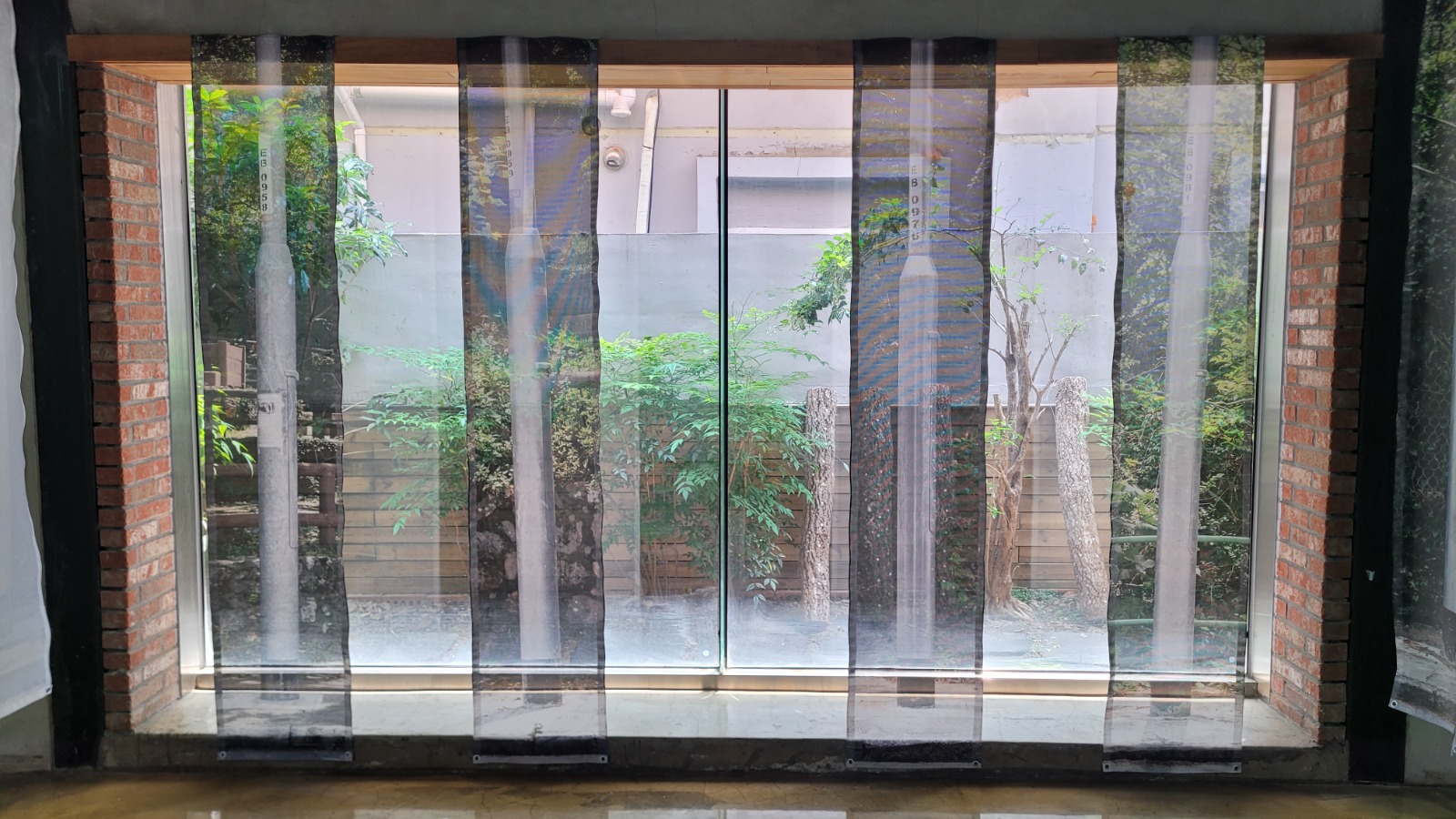
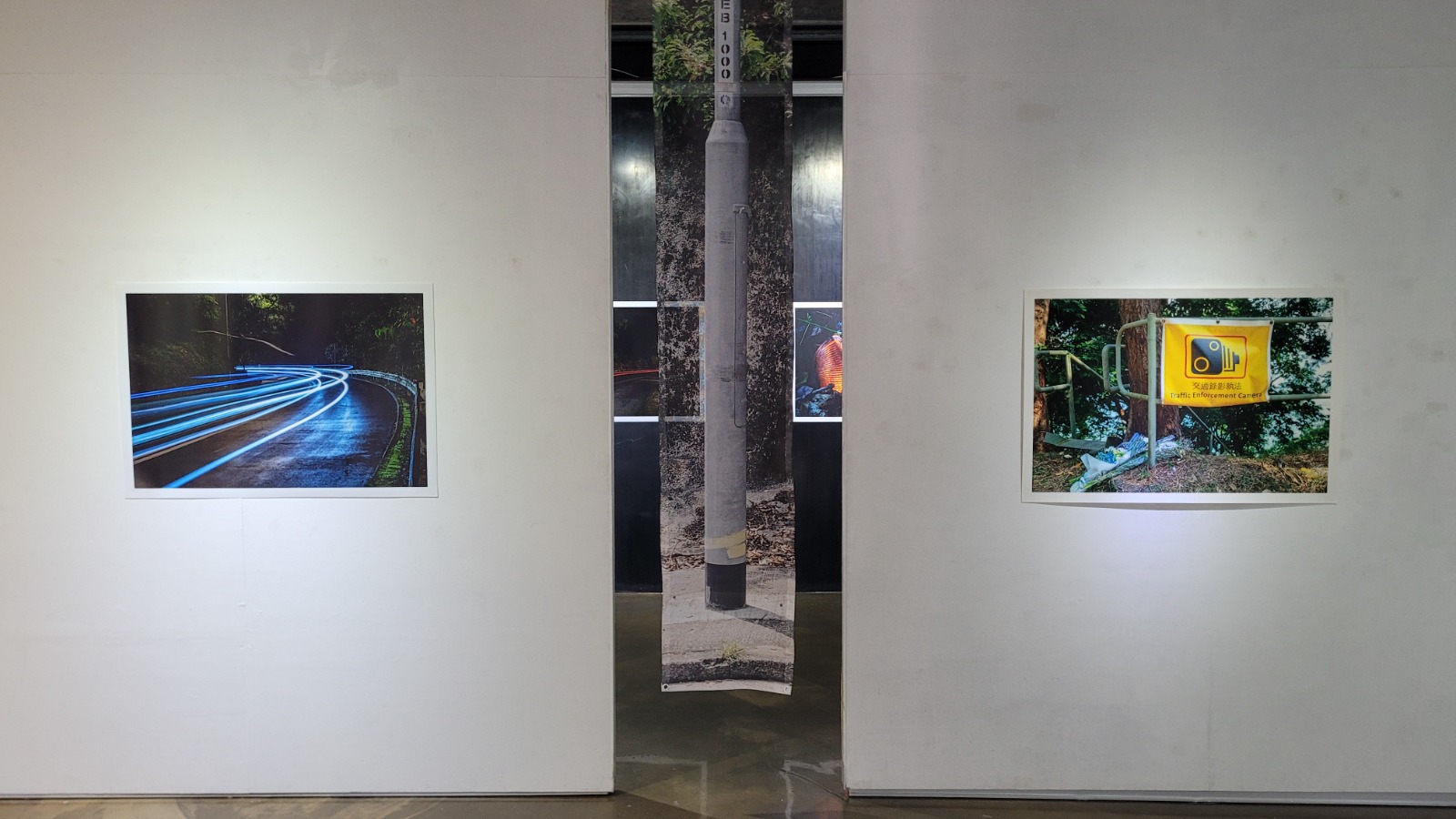
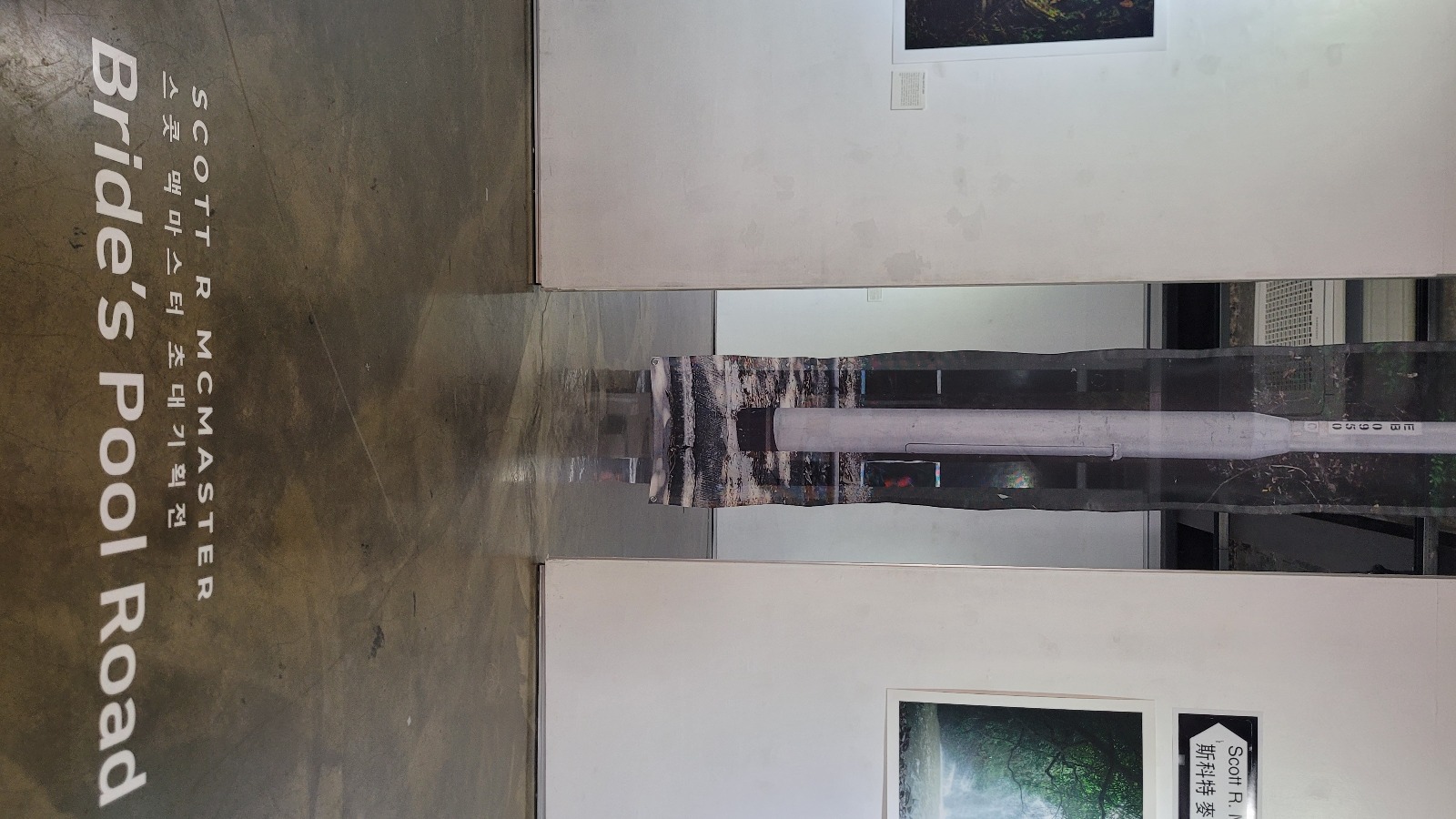
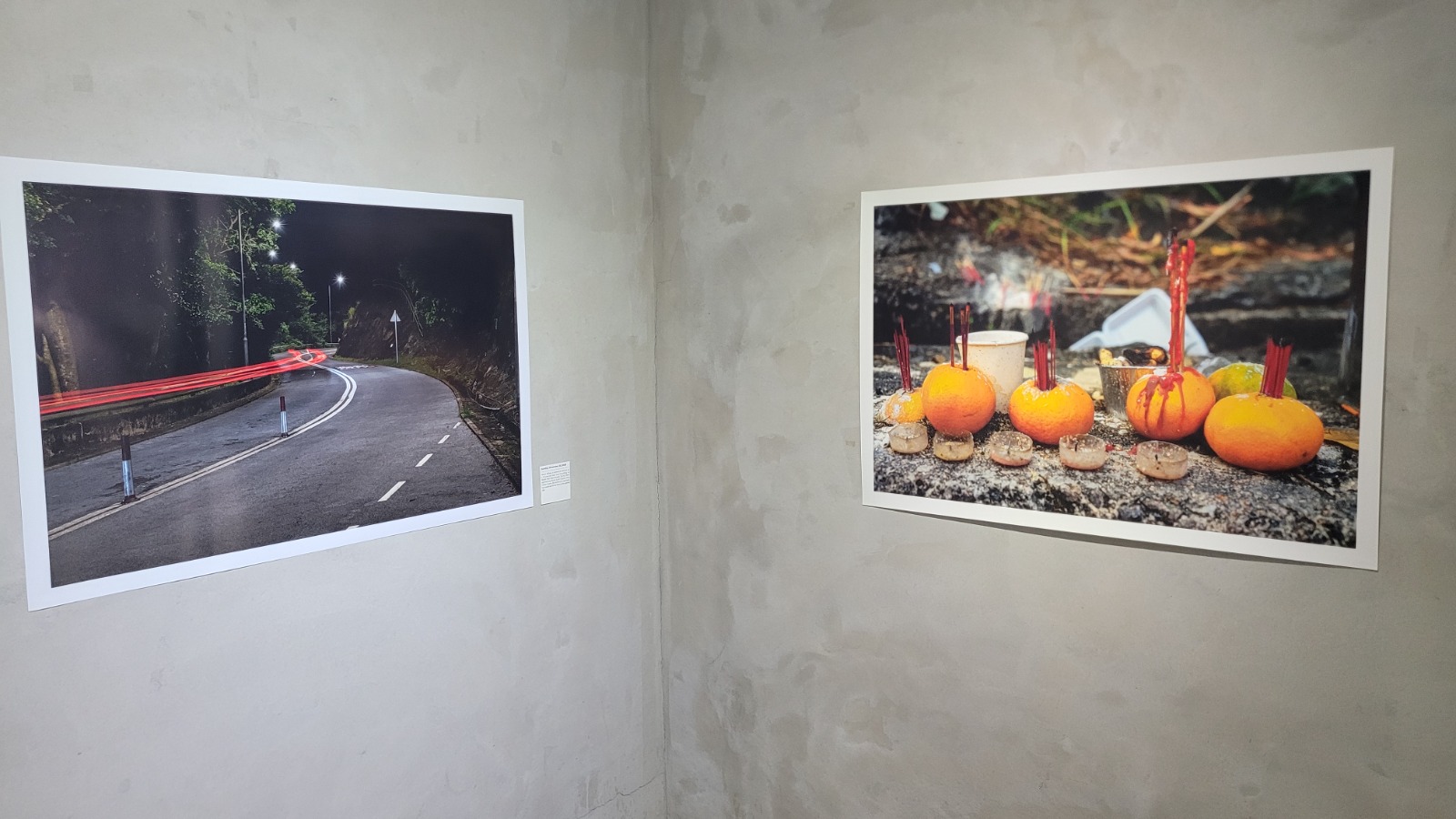
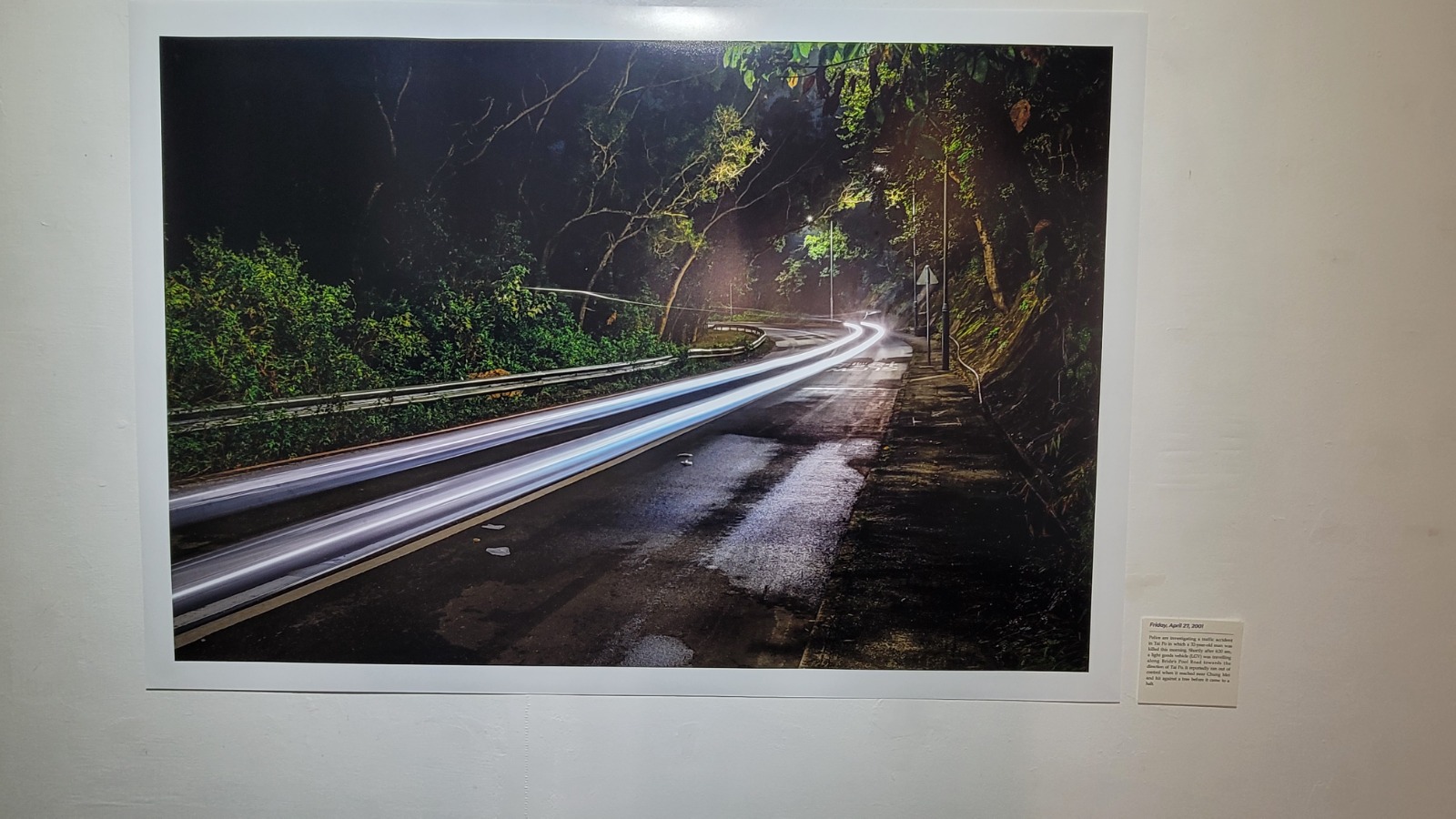
Each image brings three disparate dimensions of time and light into a single conceptual plane, influenced by historical art references to evoke a sense of mortality. The daytime imagery captures light filtering through the dense canopy in warm, golden shafts reminiscent of a J.M.W. Turner landscape, casting an ethereal glow onto freshly cemented lamppost foundations that mark the sites of recent impacts. This stands in stark dialogue with the long-exposure nighttime photographs, where light trails trace the spectral paths of vehicles on the anniversaries of fatal crashes. Illuminated against the darkness, the rich, saturated greens of the dense foliage take on the solemn, brooding quality of a Dutch Still Life Vanitas. This also frames the weathered shards of glass, vehicle debris, and relics resting scattered in drainage ditches, behind the lampposts and on the jungle floor, as modern memento mori.
Crucially, the long exposures capture a haunting and unexpected visual anomaly: “ghost” vehicles subtly etch their faint, translucent silhouettes into the frame, their light-colored paint reflecting the glare of the replaced lampposts.
The images reject the sensationalism of the crash site, operating instead in the heavy stillness of the aftermath. By isolating these structural anomalies and structural disruptions, the work explores how violent events leaves traces that permanently alter a space long after the physical evidence has been cleared away. Through this formal dialogue, the project investigates photography’s unique capacity to render the invisible visible, transforming the landscape from a passive backdrop into a vessel of collective memory; sirens, silence, songbirds, followed by profound absence.